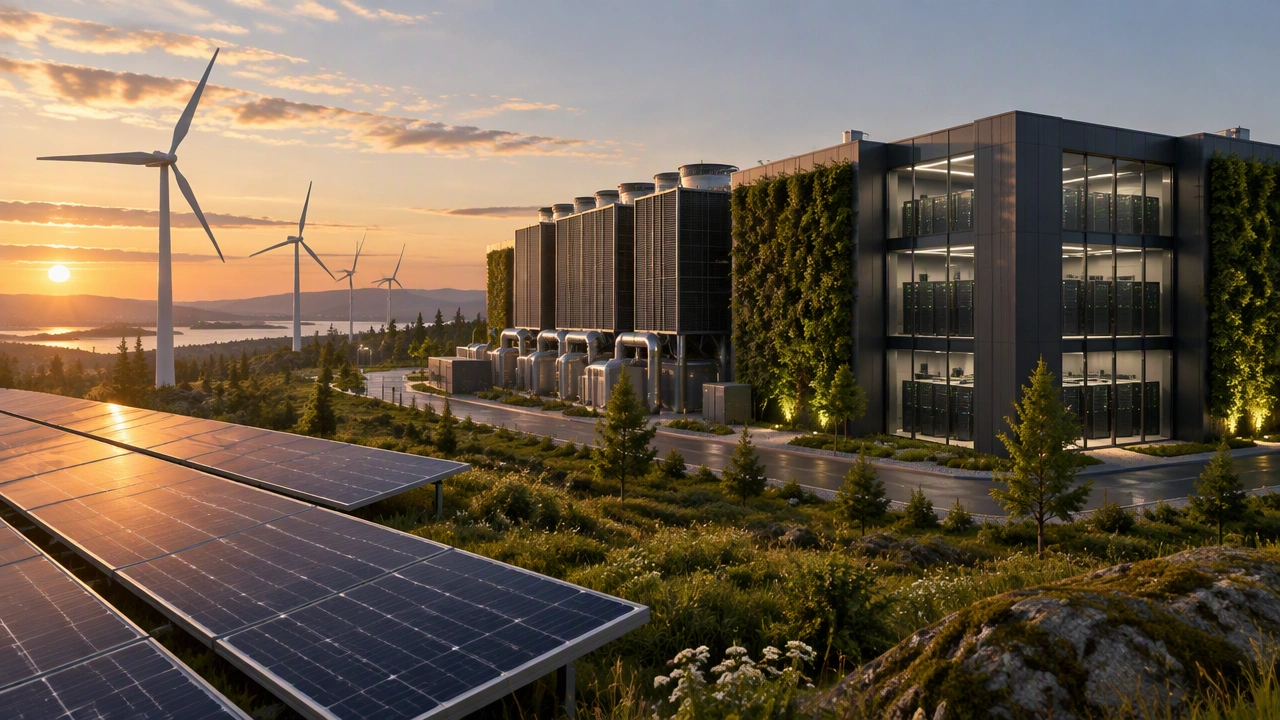
A Lighter Footprint for Search and the Internet: How Modern Data Centers Cut Emissions with Solar, Wind, and Smarter Cooling
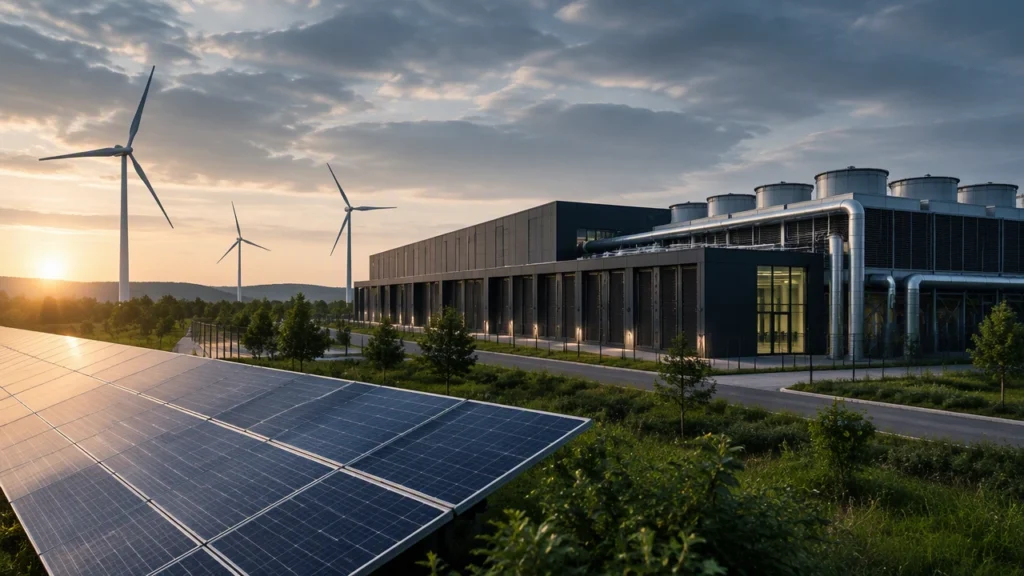
Every search, stream, and video call depends on vast networks of servers. As those workloads grow, data centers are rethinking how they draw and use power. The most visible shift is the rapid adoption of renewable electricity, paired with more efficient cooling and operations. Together, these changes are helping lower emissions while keeping the web fast and dependable.
Some observers call this a path toward a greener internet, not as a slogan but as a practical description of how facilities are changing. The goal is not to eliminate energy use—modern digital services genuinely need it—but to deliver the same performance with less climate impact per unit of computing.
Where the energy goes in a data center
A data center’s energy use comes from three main sources. First is the IT load: the servers, storage, and networking gear that actually run software. Second is cooling, which removes the heat those devices produce. Third is electrical losses and support systems, such as power conversion and lighting.
Cooling often represents a large share of total energy, especially in older facilities. That is one reason small improvements in airflow, temperature targets, and equipment design can have outsized effects. When cooling becomes more efficient, the whole building uses less electricity, and the emissions associated with that electricity fall as well.
How data centers tap renewable energy today
Most large operators pursue renewables through a mix of procurement methods. On-site solar arrays can offset daytime demand. Long-term power purchase agreements (PPAs) help fund new wind or solar farms and tie electricity costs to predictable contracts. Where available, operators also join green tariff programs offered by local utilities.
Because wind and solar output varies by time and season, data centers often match supply and demand over the year rather than minute by minute. This annual matching is common today, though many companies are moving toward stricter matching to ensure clean power is available when their facilities run. In some regions, firms also invest in battery storage or demand flexibility to smooth peaks and make better use of variable generation.
Smarter cooling, lower emissions
Cooling innovation is central to emissions reduction. Several techniques are now widely used:
- Airside economization: Using cooler outdoor air when conditions allow, reducing or eliminating mechanical cooling.
- Liquid cooling: Bringing coolant closer to chips to remove heat more efficiently, especially for high-density compute.
- Higher supply temperatures: Running servers at slightly warmer inlet temperatures to cut cooling energy without harming reliability.
- Hot-aisle and cold-aisle containment: Separating warm exhaust from cool intake air to prevent mixing and improve airflow.
- Free cooling and heat reuse: Leveraging mild climates or recycling waste heat for nearby buildings where feasible.
These measures reduce the energy needed to keep equipment within safe operating ranges. When paired with efficient power delivery, they lower the total electricity required per unit of computing, which directly cuts emissions—especially when the grid includes a growing share of renewables.
Site selection, grid mix, and climate matter
Location shapes both renewable access and cooling potential. Sites in cooler, windy regions can draw on strong wind resources and use outside air for longer periods each year. Sunny regions make solar power attractive, especially for daytime workloads. Grid composition also matters: a data center in a region with a low-carbon grid will have lower emissions for the same energy use than one in a coal-heavy area.
Operators look at these factors together. A facility that combines efficient design with a clean grid and climate-appropriate cooling can deliver major emissions reductions compared with legacy sites. Even modest improvements—such as raising cooling set points by a few degrees or tightening airflow management—can save significant energy at scale.
Measuring progress: PUE, carbon metrics, and transparency
Power usage effectiveness (PUE) remains a common indicator of facility efficiency. It compares total building energy to the energy used by IT equipment. Lower PUE values signal less overhead for cooling and power conversion. While PUE is useful, it does not capture carbon impact directly.
To understand climate benefits, operators also track carbon metrics. These can include emissions from purchased electricity (Scope 2) and supply chain impacts (Scope 3). Hourly or sub-hourly carbon tracking is growing because it reveals when demand aligns with clean generation. Public reporting helps customers and communities see how facilities perform over time, not just in annual averages.
Operational practices that compound savings
Efficiency is not only about hardware. Operations teams optimize workloads to run when clean power is plentiful, deferring non-urgent tasks to low-carbon windows. They also retire older, less efficient servers and replace them with newer chips that deliver more performance per watt.
Virtualization and cloud scheduling help consolidate workloads, reducing the number of active machines during quiet periods. Even routine maintenance—like cleaning filters, sealing cable openings, and verifying sensor calibration—keeps cooling systems working as intended and prevents energy waste.
Challenges and trade-offs
Progress is real, but challenges remain. AI training and high-performance computing increase power density, pushing cooling systems to their limits and raising total demand. Supply chains for chips, batteries, and electrical equipment have their own environmental footprints. Regional grid constraints can slow new renewable projects or force reliance on fossil generation during peaks.
There are also methodological choices. Annual renewable matching is simpler to implement, but hourly matching better reflects real-time grid conditions. Transparency about these choices helps stakeholders understand what has been achieved and what still needs work.
What a lighter internet looks like in practice
A lighter internet is not a single breakthrough; it is a set of consistent choices. Facilities use renewable electricity wherever possible, cut cooling energy through smarter design, and operate with a carbon-aware mindset. They measure results, publish them, and iterate. Over time, these steps reduce the emissions tied to everyday online activities.
For users, the benefits are largely invisible: searches return quickly, videos play smoothly, and cloud apps stay responsive. Behind the scenes, the same services are delivered with less energy per query and fewer emissions per hour of streaming. That combination—performance plus lower climate impact—is the core promise of modern, renewable-ready data centers.
As grids get cleaner and efficiency practices spread, the gap between digital growth and emissions can continue to narrow. The path is practical, measurable, and already underway in many regions, turning the idea of a greener internet into everyday operational reality.